Post, Buy, Repeat: How Gym Mirror Selfies Are Quietly Running Your Fitness Budget
The Gym Floor Is the New Runway
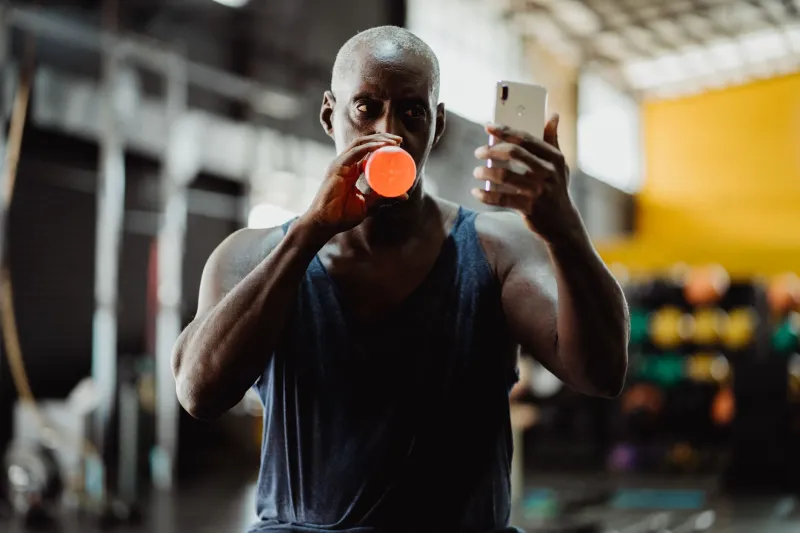
Something shifted in fitness culture a few years back, and it wasn't a new training methodology or a supplement breakthrough. It was the mirror selfie. More specifically, it was the shared mirror selfie — the one that gets uploaded before the warm-up, tagged with a brand, and dropped into a community of thousands of people who are all silently voting with their likes.
The gym fit check has become its own economy. And if you've ever bought a pair of training shorts because someone with great quads was wearing them in a Reel, you're already part of it.
This isn't a judgment call. It's just worth understanding what's actually happening when you tap that purchase button after a scroll session.
What a Fit Check Actually Is (And Isn't)
For the uninitiated, a fit check is exactly what it sounds like — a quick visual showcase of what you're wearing, usually captured in a gym mirror or locker room. On TikTok alone, the hashtag has accumulated billions of views. On Instagram, the gym selfie has been a fixture since the platform launched, but Reels gave it a new velocity.
What separates a fit check from just a photo is the expectation of feedback. You're not documenting a memory. You're inviting an opinion. And that subtle difference changes everything about why people post them and how those posts influence behavior downstream.
When someone drops a fit check showing off a new colorway from a brand you've been eyeing, and that post racks up 40,000 views and a comment section full of "link?" and "need this immediately" — that's not just content. That's a product review with better lighting.
The Feedback Loop Nobody Talks About
Here's how the cycle actually works. Someone buys a new set of gym gear, feels good about it, posts a fit check, gets validation, feels better about the purchase, and then the next time they're browsing, the bar for what's "worth posting" has quietly moved up a notch.
Platform algorithms accelerate this. If your fit check performs well, you're more likely to post another. If you post another, you need something fresh to show. If you need something fresh, you're back in your shopping cart. Brands know this. It's why so many of them have shifted their entire marketing strategy toward gifting micro-influencers — regular gym-goers with 5,000 to 50,000 followers — rather than pouring budget into traditional ads.
The trust factor is enormous. When your gym friend or someone who looks like they train the same way you do shows up in a piece of gear and says "this is the one," it hits differently than a billboard. It feels like a recommendation, not an advertisement.
The Upside: Real Motivation, Real Community
Let's be fair about this. The fit check economy has generated something genuinely useful for a lot of people.
For newer gym-goers especially, seeing how real people — not fitness models with professional lighting — actually dress to train can be incredibly practical. You learn which fabrics hold up to heavy squat sessions, which waistbands roll during deadlifts, and which brands run small before you commit to a purchase. That's useful information that no product description is going to give you.
There's also a community angle that's hard to dismiss. Fitness can be isolating. Showing up to a gym alone, grinding through a program with no one watching — fit checks and the communities built around them give that effort visibility. People feel seen. That social reinforcement, even when it's digital, can be a legitimate motivator to stay consistent.
Some studies in consumer behavior suggest that the act of presenting a healthy lifestyle — even on social media — can strengthen commitment to that lifestyle. The post becomes a form of accountability. You told your followers you were training. Now you have to train.
The Downside: When Aesthetics Start Driving Decisions
But here's where it gets complicated.
When the look of training starts to matter more than the training itself, spending patterns shift in ways that don't always serve your actual goals. A $120 pair of leggings doesn't make your glutes work harder. A designer gym bag doesn't add reps to your pull-up bar. And yet, in a culture where your kit is part of your personal brand, the pressure to keep it looking fresh is real.
Financial comparison is a genuine stressor in fitness communities right now. There's a significant gap between the gear showcased in most fit check content and what the average American gym-goer can comfortably afford. When the baseline visual standard gets set by people who are either gifted product or spending heavily to maintain an aesthetic, it creates a distorted picture of what's normal.
There's also a subtler psychological cost. If your sense of gym identity becomes too tied to what you're wearing, a bad purchase — or a day when you show up in older gear — can feel like a statement about who you are. That's a fragile foundation for something as mentally demanding as consistent training.
Training Through the Noise
The move isn't to log off or stop caring about how you look when you train. Style and performance aren't mutually exclusive — that's kind of the whole point of what we do here at StyleGyms. Looking good and training hard can absolutely coexist.
But it's worth being intentional about who's influencing your gear decisions and why. Before you add something to your cart because it crushed it in a fit check, ask whether it actually solves a real problem in your training or wardrobe. Does it replace something worn out? Does it perform better than what you have? Or does it just look good in a mirror post?
The best gear purchases are the ones where function and style line up — where you buy something because it works and it looks sharp. That's the sweet spot.
The Brands Winning This Game
It's worth noting which brands have built their entire growth strategy around this dynamic. Labels like Gymshark, Alphalete, and sets from newer DTC players have scaled almost entirely on the back of fit check culture. Their drops are designed to be photographed. Their colorways are chosen with social feeds in mind.
That's not cynical — it's just good product marketing that meets the moment. The question for you as a consumer is whether the product holds up once the camera's off. The fit check economy rewards aesthetics first. Your training demands more than that.
Wear It Well, But Train It Harder
Documenting your gym life can be fun, motivating, and even genuinely useful for building community. But let the training drive the style, not the other way around. Post the fit check. Get the likes. Just make sure the gear you're showing off is actually earning its place in your bag — and not just your feed.