Stop Blaming Your Workout: The Real Reason Your Gym Clothes Are Holding You Back
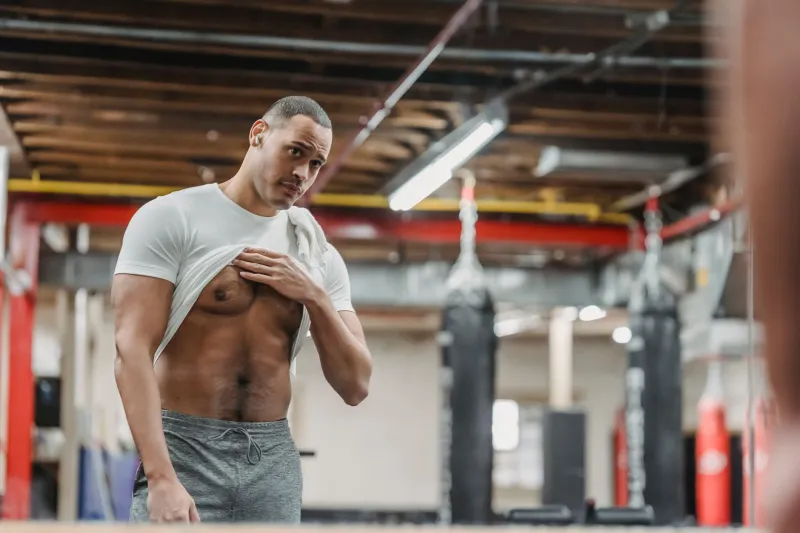
You've invested in a solid training split. You've cleaned up your nutrition. You even splurged on that name-brand gear everyone at the gym seems to be wearing. And yet, something keeps nagging at you mid-set—a waistband rolling down during squats, a shirt bunching under your arms on pull-ups, shorts that ride up every time you step onto the treadmill.
Here's the uncomfortable truth: it's not the brand. It's the fit. And until you fix that, you're leaving real performance on the table.
The Science Behind Why Fit Actually Matters
This isn't just about looking put-together. Research published in the Journal of Sports Sciences has shown that restrictive or poorly fitted clothing can measurably reduce range of motion, alter movement mechanics, and even spike perceived exertion during exercise. In plain terms? Clothes that don't fit right make your workouts feel harder than they need to be—and not in a good way.
Then there's the psychological side. A study out of Northwestern University on what researchers call "enclothed cognition" found that what we wear directly influences how we think and perform. When your gear fits well and looks intentional, your confidence follows. When you're constantly tugging at a waistband or self-conscious about a shirt that's two sizes too big, your mental bandwidth is split between the task at hand and the distraction on your body.
Pro athletes understand this intuitively. NBA and NFL teams have entire departments dedicated to ensuring players' performance gear fits to exact specifications. That same principle scales down to your Tuesday evening leg day.
The Measurements That Actually Move the Needle
Most people size gym clothes the same way they size casual wear—by gut instinct and habit. That's where things go sideways. Here are the specific measurements worth paying attention to:
Inseam length is the silent killer of otherwise great shorts and tights. Too short and you're dealing with chafing and unwanted exposure during lunges. Too long and compression tights lose their functional purpose entirely. For most men, a 7-inch inseam on shorts hits the sweet spot for both aesthetics and mobility. For women, capri-length tights typically fall mid-calf and should sit there—not bunch at the knee.
Shoulder seam placement on tops matters more than most people realize. The seam should sit right at the edge of your shoulder joint—not halfway down your arm (too big) and not pulling toward your neck (too small). When this is off, overhead pressing and pulling movements feel awkward and restricted.
Rise on bottoms—the distance from the crotch seam to the waistband—is critical for squat depth. A low rise will gap at the back when you hit parallel. A high rise that's too snug in the seat restricts hip flexion. Try the squat test before you buy: deep squat, hold it for two seconds, stand up. If anything shifts, gaps, or digs in, that's your answer.
Torso length on compression shirts and base layers determines whether your shirt stays tucked into your tights during dynamic movement. A shirt that's too short will ride up constantly—annoying at best, a confidence-killer at worst.
The Most Common Sizing Mistakes at the Gym
Let's talk about what's actually happening out on the floor, because these patterns show up constantly.
Buying based on brand vanity sizing. A medium at one brand is not a medium at another. Lululemon, Nike, Under Armour, and Gymshark all cut differently. Ignoring the actual measurements on a size chart because you "always wear a large" is how you end up in gear that doesn't serve you.
Sizing up for comfort. It feels like a reasonable instinct—looser means more room to move, right? Not in performance wear. Activewear is engineered to move with your body. When there's excess fabric, it bunches, shifts, and creates friction. A fitted medium that moves with you will outperform a baggy large every single time.
Ignoring fabric stretch percentage. A pair of tights labeled "4-way stretch" behaves completely differently than one that's "2-way stretch." The former moves with you in every direction; the latter mostly stretches lengthwise. If you're doing anything lateral—agility work, yoga, HIIT—stretch direction matters.
Never re-evaluating after body composition changes. This one stings a little, but it's real. If you've been training consistently for six months and your body has changed, your gear needs to reflect that. Clothes that fit a different version of you aren't doing the current version any favors.
How to Audit Your Current Collection
You don't need to torch your entire wardrobe. A quick, honest audit can separate what's working from what's working against you.
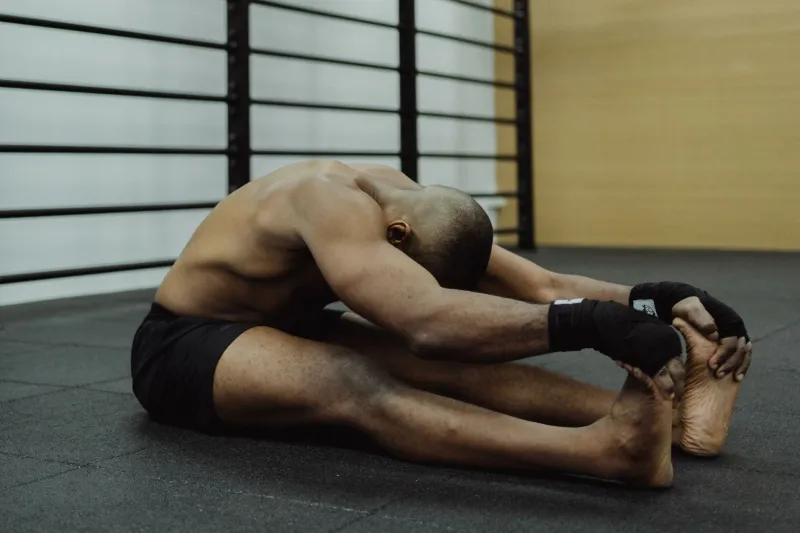
Pull everything out and do the movement test. Perform a squat, a lateral lunge, an overhead reach, and a forward fold in each piece. Anything that restricts, shifts, or requires adjustment during any of those movements gets a hard look. Ask yourself: does this piece make me feel capable and confident, or am I managing it the whole time I wear it?
Next, check the seams. Shoulder seams should sit at the shoulder. Waistbands should stay in place without a drawstring death grip. Leg seams shouldn't twist after a few minutes of wear—twisting seams are a telltale sign the cut doesn't match your proportions.
Finally, be honest about what you're actually keeping out of loyalty to the brand versus loyalty to the function. That expensive hoodie from a premium brand doesn't earn its place in your rotation just because of the logo. If it's not fitting right and making you move well, it's not earning its keep.
The StyleGyms Take
At StyleGyms, we believe training hard and looking good aren't competing priorities—they're the same priority. But looking good in your gear isn't about chasing labels. It's about wearing clothes that fit your body, support your movement, and make you feel like the version of yourself you're working toward.
Brand loyalty has its place. Some brands genuinely do make better products. But a well-fitted piece from a mid-tier brand will outperform an ill-fitting piece from the most elite label on the market every single time—in performance, in confidence, and in the mirror.
Size for your body. Test before you commit. And stop letting the wrong fit be the reason your best workout is still waiting to happen.