Sleep Dressed for Success: The Athlete's Guide to Smarter Sleepwear
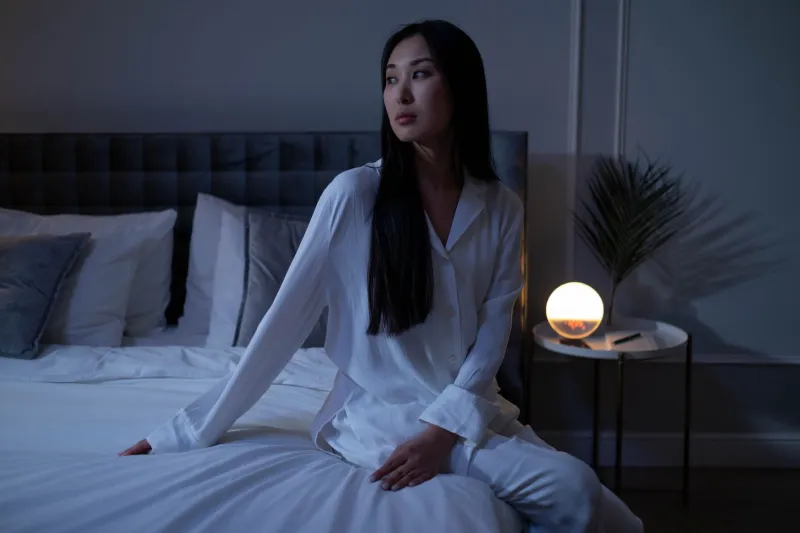
You've dialed in your pre-workout nutrition. Your training split is locked. You foam roll like it's a religion. But here's a recovery variable most gym-goers completely ignore: what you're actually wearing when you sleep.
Sounds minor, right? It isn't. Sleep is the single most powerful recovery tool your body has — and the environment you create for it, including what's touching your skin for seven-plus hours a night, has a measurable impact on how well your muscles repair and how sharp you feel the next morning. It's time to give your sleepwear the same intentional energy you bring to the rest of your fitness routine.
Why Sleepwear Is a Legitimate Performance Variable
Here's the quick science: during deep sleep, your body releases the bulk of its daily growth hormone — the stuff responsible for muscle repair, tissue regeneration, and fat metabolism. But deep sleep is fragile. Disruptions caused by overheating, skin irritation, or restrictive clothing can pull you out of those critical slow-wave and REM cycles before your body finishes its work.
Research published in journals like Sleep Medicine Reviews has consistently shown that core body temperature regulation is one of the most significant drivers of sleep quality. When your skin can breathe and your body can cool itself naturally, you fall into deeper sleep faster and stay there longer. When it can't — because you're wrapped in synthetic fabrics that trap heat — you get restless, fragmented sleep that shortchanges your recovery.
Translation: the wrong pajamas could literally be costing you gains.
Fabric First: What to Look For (and What to Ditch)
Not all sleepwear materials are created equal, and the differences matter more than most people realize.
Merino Wool might surprise you on this list, but it's arguably the gold standard for athletic sleepwear. Naturally thermoregulating, merino keeps you warm when it's cold and cool when it's warm — without the scratchy feel of traditional wool. It's also moisture-wicking, which means sweat from those late-night hot spells gets pulled away from your skin rather than sitting on it.
Bamboo-derived fabrics (often labeled as bamboo viscose or bamboo rayon) have exploded in the wellness space for good reason. They're incredibly soft, naturally breathable, and have a silky feel that doesn't cling. For athletes who tend to sleep hot — which is common after intense training sessions that elevate your core temp — bamboo is a seriously underrated option.
High-quality cotton — specifically long-staple varieties like Pima or Egyptian cotton — remains a reliable classic. Breathable and soft, it's a solid choice as long as you're not a heavy sweater. Standard cotton does absorb moisture, but it doesn't wick it away, so if night sweats are your thing, you might want to look elsewhere.
What to avoid: Polyester, nylon, and most synthetic blends. These fabrics were engineered for performance during exercise — not for eight hours of passive recovery. They trap heat and moisture against your skin, which is exactly what you don't want when your body is trying to cool down and repair itself.
Fit Matters More Than You Think
This is where the StyleGyms aesthetic meets the science. Fit isn't just about looking good — though that matters too — it's about functionality.
Too tight and you're restricting circulation, which interferes with the blood flow your muscles need to flush out metabolic waste and deliver recovery nutrients. Too loose and you're dealing with bunching fabric that can disrupt your sleep position and wake you up mid-cycle.
The sweet spot is what you might call athletic relaxed — a fit that moves with your body without excess material getting in the way. Think tapered joggers with a real waistband (not a cinched drawstring that digs in), or a lightweight long-sleeve top with a subtle athletic cut. You want to feel unrestricted but not sloppy.
If you're someone who runs warm, consider a fitted short-sleeve tee and lightweight shorts combo rather than full coverage. The goal is to support your body's natural thermoregulation, not fight it.
Temperature Regulation: Setting Up Your Sleep Environment
Sleepwear works best as part of a complete temperature strategy. The National Sleep Foundation recommends a bedroom temperature between 60 and 67 degrees Fahrenheit for optimal sleep — and your clothing choice should complement that environment.
If you keep your room on the cooler side (which is ideal), a lightweight merino or bamboo long-sleeve set gives you enough coverage to stay comfortable without overheating. If you prefer a warmer room or share a bed and can't fully control the thermostat, lean toward minimal, breathable options — bamboo shorts and a loose tank, for example.
One pro tip: avoid wearing the same compression gear you'd use for active recovery (like compression socks or tights) to bed. While compression has its place during the day, wearing it overnight can interfere with circulation during sleep rather than enhance it.
Building Your Recovery Wardrobe
The good news is you don't need to overhaul your entire dresser. A smart sleepwear rotation for an active person can be kept pretty lean — which, honestly, is very on-brand.
Start with two to three sets of quality sleepwear that you can rotate throughout the week. Washing frequency matters here — sleeping in the same clothes night after night traps bacteria and skin oils in the fabric, which can affect both hygiene and fabric performance over time.
Look for brands that are transparent about their fabric sourcing and construction. A few names worth exploring in the US market: Coyuchi for organic cotton options, Ettitude for bamboo-forward designs, and Wool& for merino pieces that double as casual loungewear. On the more athletic end, brands like Vuori and Reigning Champ offer sleepwear-adjacent pieces that bridge the gap between lounge and recovery without sacrificing style.
Color and aesthetic actually do matter here too — and not just for vanity. Wearing something that feels intentional and put-together, even to bed, reinforces the mindset that recovery is a serious part of your training. It's a small psychological cue, but the StyleGyms philosophy is built on the idea that how you present yourself affects how you perform. That principle doesn't stop at the gym door.
The Bottom Line
Recovery is where the real progress happens — and sleep is its most powerful expression. Every choice you make in that window, including what you wear, either supports your body's repair process or works against it. Sleepwear isn't an afterthought. It's gear. Treat it like one.
Invest in fabrics that breathe and regulate temperature. Get the fit right. Build a small but intentional collection you can rotate. And remember: the athlete who recovers best doesn't just train harder — they sleep smarter, too.